
OUR CURRENT PROJECTS
From bold ideas to real-world impact.
Ten engineering project pathways that connect student imagination with research-grade problem solving. Explore projects that can be designed, tested, improved and communicated—not just subjects to read about.
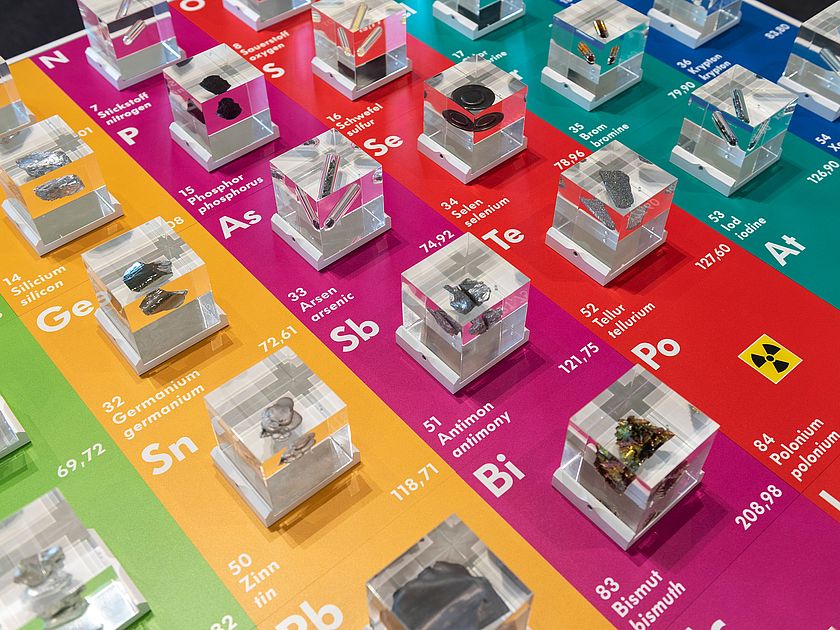
Periodic Table Research
Go beyond memorising symbols: investigate how the choices of elements influence batteries, manufacturing and the resilience of the global materials supply chain.
Explore project brief ↗
Graphene & Light Materials
Translate two-dimensional material research into a realistic concept for sensitive sensors, smarter surfaces and more efficient structures.
Explore project brief ↗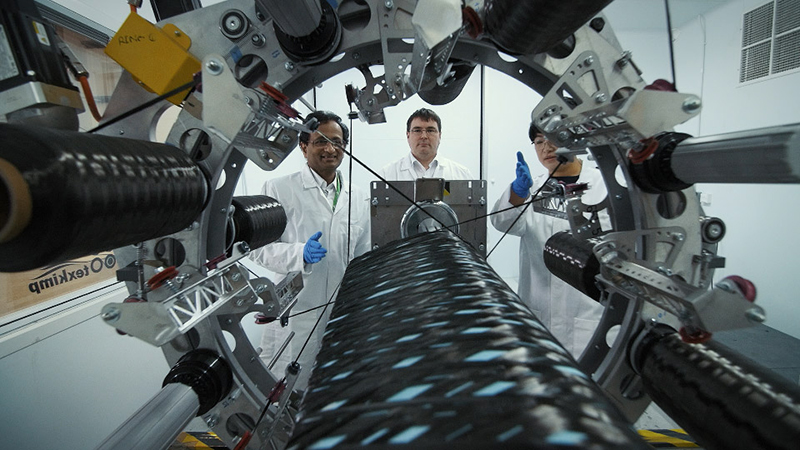
Carbon Fibre Innovation
Investigate lightweight composite design while confronting one of the industry’s most difficult challenges: recovering and reusing high-value carbon fibres.
Explore project brief ↗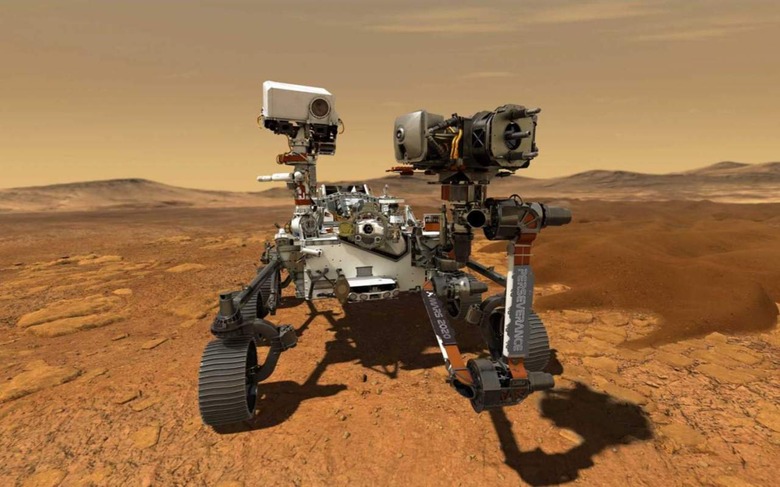
Rover Project on Space
Turn an exciting rover concept into a credible autonomous exploration programme with navigation, safe operation, energy budgeting and scientific goals.
Explore project brief ↗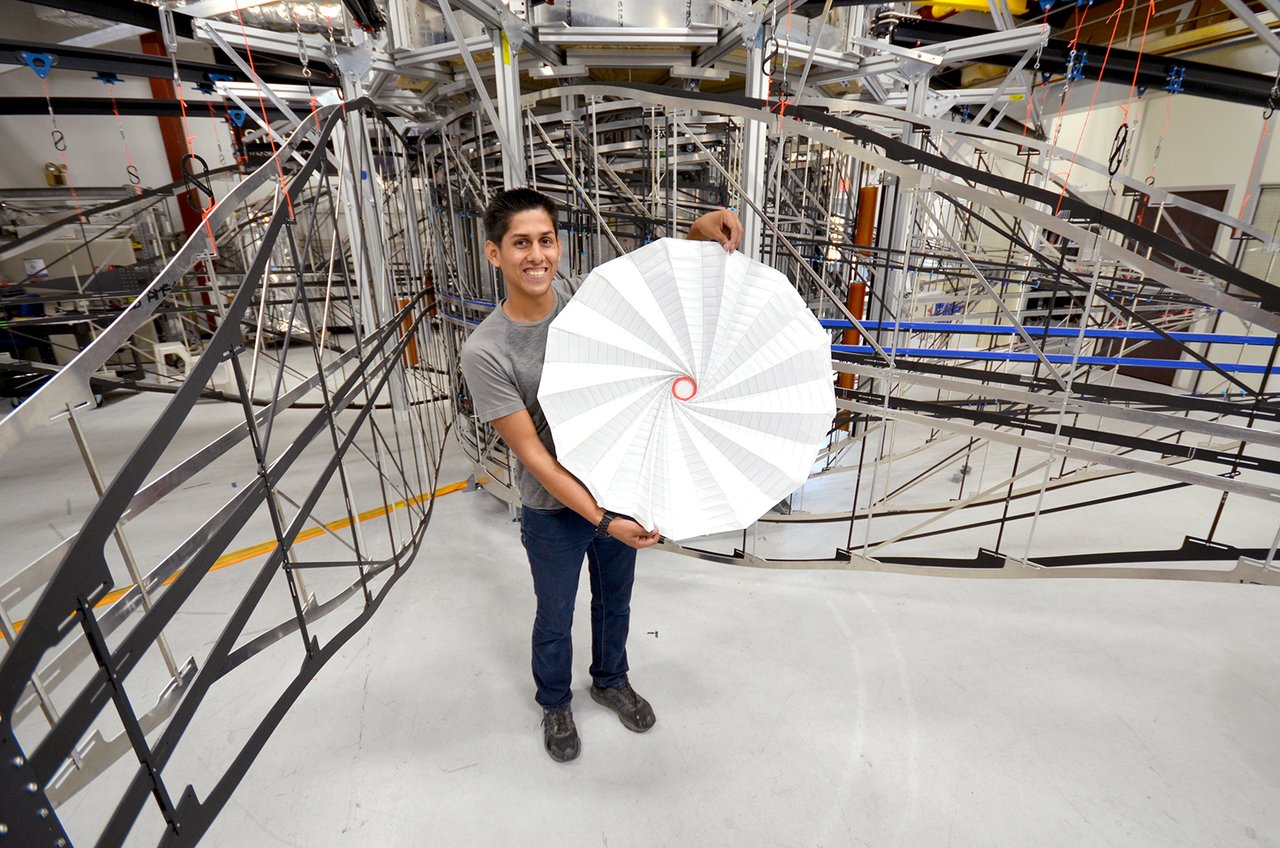
Origami in Space
Use folding geometry and deployable mechanisms to design systems that fit inside a small launch volume but perform at much greater scale.
Explore project brief ↗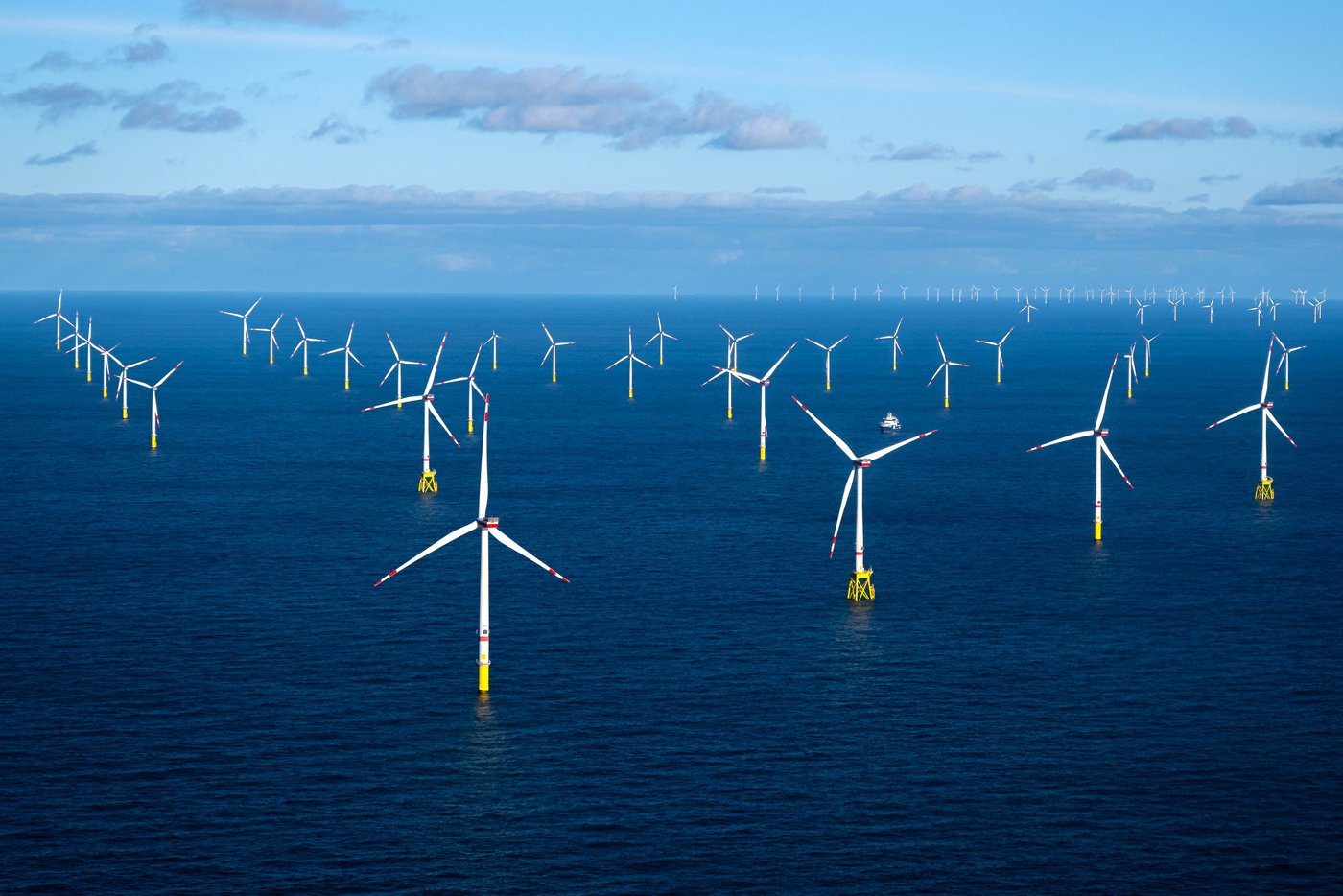
Renewable Energy Solutions
Connect renewable energy concepts to real generation, storage, grid needs and commercial investment decisions.
Explore project brief ↗
AI & Robotics Innovation
Explore how sensors, software and human-centred design turn an automation concept into a robust and accountable industrial workflow.
Explore project brief ↗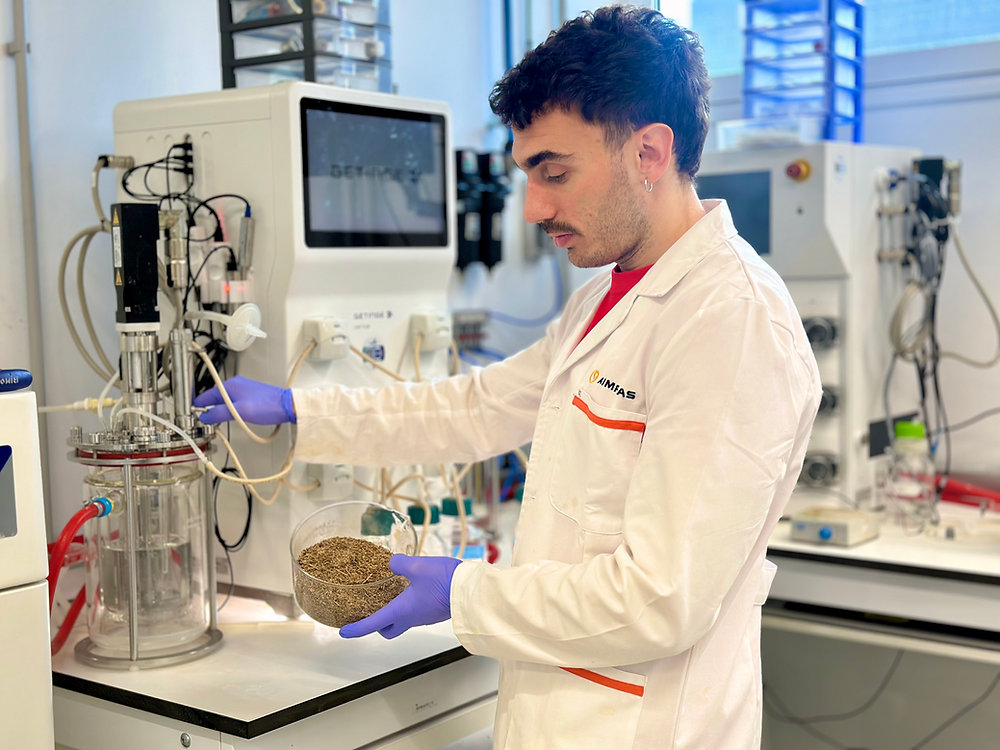
Sustainable Materials
Investigate how new packaging and construction materials can reduce waste while still meeting performance and cost requirements.
Explore project brief ↗
Space Communication
Discover how to design reliable communications links for satellites and planetary explorers using data-rate, delay, pointing and resilience engineering.
Explore project brief ↗
Global Collaboration Projects
Understand how universities, government agencies and industrial suppliers align scientific, technical and social goals to deliver complex projects together.
Explore project brief ↗No projects match that search. Try another word or select All projects.
Design. Validate. Improve.
Each workstream includes a measurable problem, a practical design challenge, verified examples from industry and public programmes, and clear paths for both young learners and developing researchers.
Periodic Table Research
Go beyond memorising symbols: investigate how the choices of elements influence batteries, manufacturing and the resilience of the global materials supply chain.
Critical Elements Explorer — a digital design and decision dashboard
The engineering challenge
Engineers must balance performance, cost, abundance, recyclability and sourcing risks when selecting elements. A high-performing material can still be a poor real-world choice if the supply chain is fragile.
What the project would create
Develop a data-driven interactive periodic-table dashboard that connects 12–20 selected elements to their industrial functions, availability, recovery routes and suitable substitute materials. Create a transparent scoring model and compare material choices for an electric motor or electronics product.
Suggested delivery workstreams
- Define one engineering product and its material requirements.
- Collect public element-property, supply-chain and recycling data; record provenance.
- Build a searchable dashboard and explain each trade-off.
- Test scenarios such as supply disruption or improved recycling; publish a recommendation.
Measurable proof of success
- 12+ elements with traceable sources
- At least 3 material-selection scenarios
- Transparent methodology and sensitivity analysis
Industrial rhenium recovery and Rolls-Royce supply-chain use
The UK Critical Minerals Strategy documents a UK–Kazakhstan recycling venture producing rhenium for a Rolls-Royce supply chain; an example of element science connecting directly to industrial products.
Read the industry evidence ↗Berkeley Lab superheavy-element experiment, 2024
A US Department of Energy laboratory produced element 116 using a titanium beam—a demonstrated step towards research on element 120, not a claim that element 120 has been discovered.
Read the public-sector source ↗Questions for the next research review
- Which element properties most affect a chosen design?
- What substitutes preserve performance but lower supply risk?
- Can an evidence-based material score avoid misleading conclusions?
✦ Young innovator pathway
Make a visual element-to-product map using open data. Explain why copper, aluminium, silicon and rare earth elements are selected for different jobs, without handling chemicals.
⌁ Emerging researcher pathway
Build a multi-criteria material-selection model and run sensitivity tests: does the ranking change when recycled content, geopolitical exposure or criticality weights change?
Graphene & Light Materials
Translate two-dimensional material research into a realistic concept for sensitive sensors, smarter surfaces and more efficient structures.
Lightweight Smart-Surface Monitor
The engineering challenge
Transport, production and infrastructure systems need lower-weight sensing and monitoring solutions, but new materials must prove repeatability, reliability and a convincing cost advantage.
What the project would create
Design a virtual or classroom-safe low-voltage demonstrator for a condition-monitoring surface. Investigate how a thin conductive layer might detect changing strain or pressure; compare the results with a conventional commercial sensor and report limitations.
Suggested delivery workstreams
- Choose a monitoring use case—bridge strain, equipment vibration or surface temperature.
- Specify the sensor, signal, power and data requirements.
- Create a simulation or supervised low-voltage prototype.
- Compare drift, sensitivity, cost and robustness; design the next test.
Measurable proof of success
- Documented baseline control
- Repeatability across 5+ trials or datasets
- Clear cost, performance and safety trade-offs
Paragraf graphene electronic devices
UK company Paragraf reports commercial production of graphene Hall sensors and field-effect transistors, illustrating an industry route from materials science to manufactured devices.
Read the industry evidence ↗European Graphene Flagship 2025 annual report
The publicly funded Graphene Flagship reported 126 academic and industrial partners in 2026, advancing sensors, electronics, composites and industrial standards.
Read the public-sector source ↗Questions for the next research review
- What evidence proves a sensor improves on its control?
- How should a pilot measure drift and failure rate?
- When does a material advantage outweigh manufacturing complexity?
✦ Young innovator pathway
Compare flexible paper or cardboard sensor mock-ups and use a simple dataset to identify a change in pressure or bending; no loose nanopowders or specialist chemicals.
⌁ Emerging researcher pathway
Design a validation plan for a graphene-based Hall or strain sensor with a conventional control, considering calibration, uncertainty, thermal effects and repeatability.
Carbon Fibre Innovation
Investigate lightweight composite design while confronting one of the industry’s most difficult challenges: recovering and reusing high-value carbon fibres.
Circular Composite Wing-Rib Challenge
The engineering challenge
Aircraft and industrial equipment benefit from composites, yet efficient manufacturing and end-of-life recovery are essential for a genuinely sustainable design.
What the project would create
Create digital or paper-based wing-rib and sandwich-structure concepts and compare stiffness-to-mass, material use and disassembly. Add a circularity assessment using published data for virgin and reclaimed fibres.
Suggested delivery workstreams
- Create three alternative rib or beam geometries.
- Build safe card/paper models or structural digital simulations.
- Compare stiffness, mass and the location of failure or excessive deflection.
- Produce a design-for-reuse plan and a material-flow diagram.
Measurable proof of success
- Stiffness-to-mass comparison
- At least 3 architectures tested
- Recycled-content and repairability assessment
Airbus A350 composite structure
Airbus reports that carbon-fibre-reinforced polymer accounts for around 53% of the A350 airframe—an established large-scale commercial aerospace application.
Read the industry evidence ↗UK National Composites Centre recycled-fibre breakthrough, 2025
An NCC-led CEAMS consortium demonstrated re-use of continuous recycled carbon fibres for structural manufacturing and won a 2025 Composites UK circularity award.
Read the public-sector source ↗Questions for the next research review
- How much mass does each geometry genuinely save?
- What limits recycled fibre in high-load components?
- How should circularity be measured alongside structural performance?
✦ Young innovator pathway
Use identical lengths of folded card, corrugations and simple beams to compare deflection under light classroom loads; keep testing supervised and low-risk.
⌁ Emerging researcher pathway
Assess recycled-continuous-fibre processing routes, testing uncertainty and structural qualification criteria in a cradle-to-gate life-cycle comparison.
Rover Project on Space
Turn an exciting rover concept into a credible autonomous exploration programme with navigation, safe operation, energy budgeting and scientific goals.
Autonomous Planetary Survey Rover
The engineering challenge
A rover must identify obstacles, move efficiently and select scientifically useful locations with limited communications and energy.
What the project would create
Develop a simulated rover mission in a Mars-like digital terrain or a small supervised classroom robotics setting. The rover should inspect terrain, plan a route, prioritise sample locations virtually and send a mission report.
Suggested delivery workstreams
- Design mission objectives and success criteria for a virtual survey.
- Create a terrain map with hazards and science targets.
- Compare manual routes with autonomous path planning.
- Run timed scenarios, log energy use and investigate failures.
Measurable proof of success
- Obstacle avoidance success rate
- Mission completion and simulated energy budget
- Route efficiency and recoverability
Firefly Aerospace Blue Ghost lunar lander, 2025
Firefly’s commercially built Blue Ghost successfully landed on the Moon in March 2025, delivering 10 NASA instruments. It is a lander—not a rover—but demonstrates the lunar mission delivery ecosystem.
Read the industry evidence ↗NASA Perseverance AI-planned Mars drives, 2025–26
NASA reported in January 2026 that Perseverance completed AI-planned drives performed in December 2025, a demonstrated advance in rover autonomy.
Read the public-sector source ↗Questions for the next research review
- When should a rover request human help?
- How should planning handle uncertainty and delays?
- Which sensor or software failure matters most to mission success?
✦ Young innovator pathway
Create a paper terrain map and program a virtual rover to travel between sites while avoiding obstacles. Explain why the safest path may not be the shortest.
⌁ Emerging researcher pathway
Evaluate algorithm reliability under noisy sensors, delayed commands and uncertain maps using a digital twin and multiple reproducible test terrains.
Origami in Space
Use folding geometry and deployable mechanisms to design systems that fit inside a small launch volume but perform at much greater scale.
Deployable Solar Array or Antenna Studio
The engineering challenge
Launch vehicles constrain spacecraft dimensions. Deployable structures must unfold predictably, remain lightweight and withstand repeated mechanical testing.
What the project would create
Explore Miura-style folds and other deployable mechanisms in paper models, then build a CAD concept that could unfold a solar panel or reflector after launch. Model packing ratio and stability after deployment.
Suggested delivery workstreams
- Investigate two fold patterns and compare packed footprint.
- Create repeatable paper models and record opening sequences.
- Design a locking or tensioning concept as a sketch or CAD model.
- Simulate or test ten gentle deployment cycles and report failures.
Measurable proof of success
- Packed-to-deployed area ratio
- 10 repeat cycles with recorded outcomes
- Deployment stability and geometric accuracy
Redwire–Boeing roll-out solar arrays on the ISS
NASA documents that Redwire designed and manufactured roll-out solar arrays under contract with Boeing; eight arrays had been installed by November 2026, demonstrating industrial deployment at scale.
Read the industry evidence ↗NASA Advanced Composite Solar Sail System, 2024–26
NASA deployed the ACS3 solar sail in 2024, validating its composite-boom deployment objective. NASA’s later assessment notes the separate propulsion demonstration was not achieved.
Read the public-sector source ↗Questions for the next research review
- Which folds offer the best packing efficiency?
- How can deployment remain robust after many cycles?
- How do geometric errors affect a reflector or solar array?
✦ Young innovator pathway
Build paper-foldable solar-array models, measuring folded size, deployed area and ease of repeat deployment. Avoid springs or powered launch mechanisms.
⌁ Emerging researcher pathway
Model hinge stiffness, deployment tolerances and shape errors for lightweight panels, then propose verification tests that can be repeated in laboratory conditions.
Renewable Energy Solutions
Connect renewable energy concepts to real generation, storage, grid needs and commercial investment decisions.
Smart Renewable Microgrid Digital Twin
The engineering challenge
Wind and solar output changes with weather and time. Engineers must match demand while minimising cost, storage losses and wasted energy.
What the project would create
Build a spreadsheet or Python simulation combining a public hourly demand profile, synthetic solar/wind output and a virtual battery. Compare a baseline microgrid with an improved control strategy.
Suggested delivery workstreams
- Choose a fictional school or research campus energy profile.
- Model weather-dependent generation and demand in 24-hour intervals.
- Simulate storage dispatch, backup and efficiency losses.
- Compare cost, renewable use and reliability across three scenarios.
Measurable proof of success
- Hourly demand balance
- Renewable energy utilisation rate
- Unserved-load hours and modelled cost
Ørsted Hornsea 2 offshore wind farm
Ørsted’s Hornsea 2 has operated since August 2022, with 165 turbines delivering large-scale commercial offshore wind electricity.
Read the industry evidence ↗UK Contracts for Difference Allocation Round 7, 2026
The UK government published successful offshore and floating wind auction results in January 2026; these are awarded project contracts, not evidence that new sites have already been built.
Read the public-sector source ↗Questions for the next research review
- How much storage is needed for a dependable small microgrid?
- What happens under a week of low wind and low sunlight?
- How should uncertainty appear in a business case?
✦ Young innovator pathway
Use provided numbers to build a 24-hour demand-versus-generation chart and identify when energy is abundant or scarce.
⌁ Emerging researcher pathway
Optimise battery size, storage dispatch and reliability against time-of-use tariffs and wind/solar uncertainty; publish assumptions and model limitations.
AI & Robotics Innovation
Explore how sensors, software and human-centred design turn an automation concept into a robust and accountable industrial workflow.
Vision-Guided Sorting and Quality Inspection
The engineering challenge
Production teams need consistent inspection and sorting while managing false alarms, changing lighting and worker safety.
What the project would create
Build a simulated vision-inspection workcell using images of everyday objects or packaging. Train or configure a simple classifier, test it against new examples and prototype an operator-friendly review screen.
Suggested delivery workstreams
- Choose a sorting or defect-detection task with safe objects.
- Build a small labelled image dataset with clear consent and data handling.
- Test baseline rule-based and AI-assisted methods.
- Measure errors, flag uncertain decisions and propose a safe human handover.
Measurable proof of success
- Precision and recall on held-out data
- Human-review escalation rule
- Documented safety and data-privacy considerations
Amazon industrial robotics, 2025
Amazon reported deployment of its millionth operational robot in June 2025 and introduced AI-based fleet optimisation for its logistics network.
Read the industry evidence ↗UK Made Smarter Adoption evaluation, 2026
The UK government published an evaluation of support for small and medium-sized manufacturers adopting industrial digital technology, including advice, skills and grant funding.
Read the public-sector source ↗Questions for the next research review
- What matters more: speed or quality?
- How can a robot explain uncertain classification?
- What safeguards keep people responsible for final decisions?
✦ Young innovator pathway
Sort illustrated objects into categories and build a decision chart or beginner coding model. No heavy or moving industrial machinery.
⌁ Emerging researcher pathway
Benchmark model robustness under lighting, orientation and class imbalance; analyse precision, recall, uncertainty and oversight procedures.
Sustainable Materials
Investigate how new packaging and construction materials can reduce waste while still meeting performance and cost requirements.
Circular Packaging Redesign Lab
The engineering challenge
Packaging must protect products, remain affordable and fit realistic recovery systems. A material described as renewable is not automatically low-impact in every use.
What the project would create
Compare cardboard, recycled paper and commercially available bio-based packaging using published data, dry physical mock-ups and a simple life-cycle inventory. Improve one package through better geometry and reduced material consumption.
Suggested delivery workstreams
- Identify the function and constraints of a familiar package.
- Create designs using safe, everyday sheet materials.
- Estimate mass, material efficiency, reuse and collection pathways.
- Compare three designs against explicit environmental and functional criteria.
Measurable proof of success
- Material mass per unit function
- Recovery and reuse assessment
- Documented trade-offs in a mini life-cycle model
Notpla seaweed-based packaging at Wembley, 2025
Notpla and its partners reported using more than 350,000 seaweed-based food-packaging items across ten Wembley Stadium concerts in 2025.
Read the industry evidence ↗UKRI Smart Sustainable Plastic Packaging programme
UKRI documents grants, demonstrations and scale-up support, including Notpla’s seaweed-derived packaging coatings and industrialisation.
Read the public-sector source ↗Questions for the next research review
- Can a lighter pack also reduce damage and waste?
- Which end-of-life route is locally realistic?
- How does the result change across different life-cycle boundaries?
✦ Young innovator pathway
Prototype reusable cardboard food-container or stationery packages and record material mass, protection and how easily they can be flattened.
⌁ Emerging researcher pathway
Specify a cradle-to-grave life-cycle assessment, including production energy, end-of-life scenarios, transport, food waste implications and uncertainty.
Space Communication
Discover how to design reliable communications links for satellites and planetary explorers using data-rate, delay, pointing and resilience engineering.
Mission Control: Deep-Space Link Simulator
The engineering challenge
A spacecraft must send valuable data through limited bandwidth, long delays and occasional loss of contact. High data rates require precise engineering and careful scheduling.
What the project would create
Design a browser or Python simulator that sends images and telemetry using adjustable distance, data rate, error probability and contact windows. Evaluate how compression and priority affect mission science delivery.
Suggested delivery workstreams
- Choose an Earth-orbit or deep-space scenario.
- Define information types and their priorities.
- Simulate propagation delay, capacity and outages.
- Compare scheduling strategies and report reliability versus speed.
Measurable proof of success
- Successful delivery fraction
- Latency and bandwidth usage
- Performance during scheduled outages
ESA–Airbus European Data Relay System
The operational European Data Relay System, developed with Airbus, uses optical satellite links to return Earth-observation data rapidly for public-sector and commercial users.
Read the industry evidence ↗NASA Deep Space Optical Communications, completed 2025
NASA completed a deep-space optical communications demonstration aboard Psyche after 65 passes, validating laser data links at distances comparable to Mars.
Read the public-sector source ↗Questions for the next research review
- When is bandwidth more important than latency?
- How does ground-station weather impact reliability?
- Which information should a spacecraft transmit first?
✦ Young innovator pathway
Use a signal-delay calculator and simple message cards to see why distant missions cannot be driven in real time.
⌁ Emerging researcher pathway
Model optical versus radio link budgets at a conceptual level, including weather outages at ground stations, acquisition time, error correction and interoperability.
Global Collaboration Projects
Understand how universities, government agencies and industrial suppliers align scientific, technical and social goals to deliver complex projects together.
International Science Mission Collaboration Studio
The engineering challenge
Large research programmes cross borders, disciplines, funding models and standards. Success depends as much on governance and data-sharing as on the science itself.
What the project would create
Create a mock international mission consortium planning a small remote-sensing observatory. Assign work packages in systems design, electronics, data, outreach, sustainability and project management; agree interface rules and delivery evidence.
Suggested delivery workstreams
- Write a mission charter and define measurable benefits.
- Assign teams, decisions and documented technical interfaces.
- Create a transparent milestone plan, risk register and shared data protocol.
- Run a design review, identify disputes and agree changes through evidence.
Measurable proof of success
- Complete work-breakdown and responsibility matrix
- Tracked milestones and resolved interface risks
- Shared documentation and a reproducible final review
SKA Observatory global supplier ecosystem
The SKA telescope construction programme integrates specialised instrument, civil engineering, antenna and digital infrastructure suppliers across countries; it remains a construction project, not a fully completed observatory.
Read the industry evidence ↗SKAO first interferometric fringes, January 2026
The international SKA Observatory reported “first fringes” from SKA-Mid in January 2026 and verified early SKA-Low antenna stations in 2025—demonstrated collaborative engineering milestones.
Read the public-sector source ↗Questions for the next research review
- Who owns interface changes across teams?
- How can performance and public benefit be measured fairly?
- What standards help independent teams combine their work?
✦ Young innovator pathway
Work in small teams to plan a shared science mission. Keep roles visible and show how one team’s design affects another’s work.
⌁ Emerging researcher pathway
Create a cross-institution systems engineering plan with interface-control documents, configuration management, open-science commitments and equitable collaboration principles.
Photography: original real-world research and engineering reference photographs are credited in each project section. Institutional and publisher image permissions should be confirmed before public launch; the page uses the supplied project-reference photography as its offline fallback.
Build your evidence. Share your ideas.
A successful project begins with a question, shows its method, tests an improvement and explains what did not work. Select one project, document its performance and turn the results into a credible engineering portfolio.
External case studies verified from official organisations and public materials available by 16 November 2026. Commercial milestones, research demonstrations, funded programmes and future targets are explicitly distinguished.